Parents have always worried about their children. Every generation has faced its own challenges, and adolescence has never been an easy time to navigate.
However, one of the strongest messages from research at the recent SMHR-ASBDD 2026 conference in New Zealand was that many young people today are facing pressures that are different in both scale and complexity from those experienced by previous generations.
When a young person is struggling with anxiety, low mood, stress or overwhelm, it can be tempting to dismiss it as "just a phase" or "normal teenage behaviour". While some emotional ups and downs are a natural part of growing up, more children and young people are dealing with genuine mental health challenges that deserve more attention.
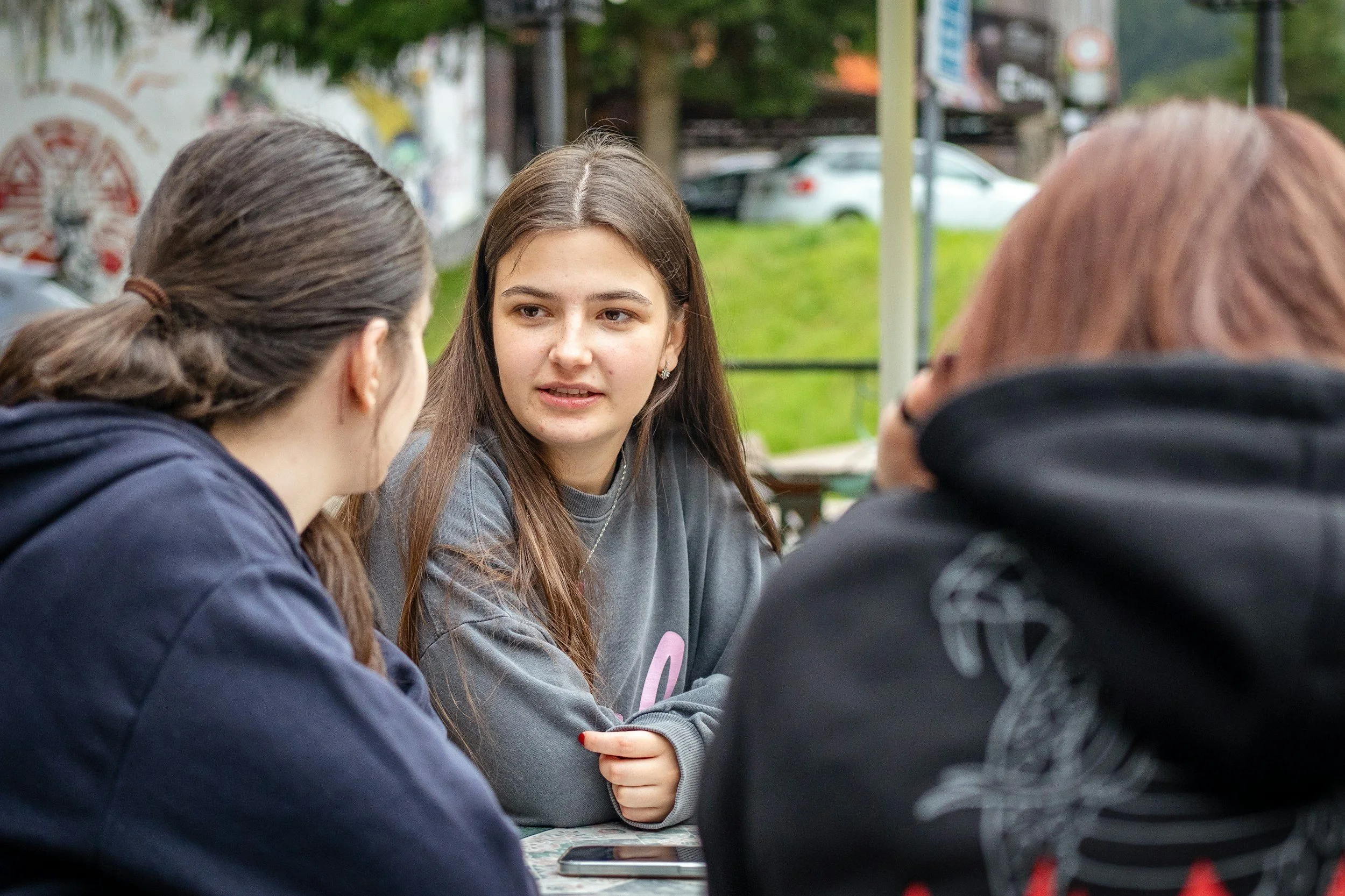
Close, supportive relationships are a critical piece of the puzzle for wellbeing and health.
Today's Young People Are Growing Up in a Different World
Young people today are navigating a world that is constantly connected, rapidly changing and often uncertain.
They are balancing school demands, social expectations, online influences, future career decisions and concerns about issues such as the cost of living, housing affordability and the future of the planet. Many are also trying to determine who they are and where they belong while under the constant gaze of social media.
For some, these pressures can contribute to anxiety, stress, loneliness and emotional exhaustion.
The research consistently highlighted that increasing rates of mental health concerns among young people cannot simply be explained away as better awareness or improved language around mental health and emotions. While greater awareness is positive, many children and young people are experiencing real distress that is affecting their daily lives, relationships and learning.
Are Young People Really Less Resilient?
Many adults look back on their own adolescence and remember facing challenges without talking much about mental health. When young people today openly discuss anxiety, stress or emotional wellbeing, it can sometimes be interpreted as weakness.
However, the evidence suggests the picture is far more complex.
Young people today are not necessarily less resilient. In many ways, they are navigating challenges that previous generations never experienced. They are growing up in a world where social comparison can occur 24 hours a day, where academic and career pathways are increasingly competitive, and where global events and uncertainty are constantly accessible through their phones and devices.
We need to consider the environments in which young people are growing up. Increased rates of anxiety and distress are not necessarily a sign of reduced resilience. They may also reflect the reality that many young people are carrying greater emotional, social and economic pressures than ever before.
Importantly, resilience is not something young people either have or do not have. Resilience develops through supportive relationships, opportunities to overcome challenges, a sense of belonging and access to help when needed.
A resilient young person is not someone who never struggles.
A resilient young person is someone who experiences challenges and knows where to turn for support, how to seek help and how to keep moving forward.
Perhaps the question is not whether young people are less resilient, but whether we are providing the conditions that help resilience grow.
When we shift from judging young people to understanding them, we create more opportunities for connection, support and positive mental health outcomes.
Resilience is not about never struggling. It is about having the support, skills and opportunities to navigate challenges and recover from them.

Resilience grows through supportive relationships, opportunities and experience, not by facing challenges alone.
Looking Beyond the Labels
Young people are sometimes labelled as lazy, disengaged, entitled or overly sensitive. In reality, many are doing their best to manage significant pressures while still attending school, maintaining friendships, participating in family life and planning for their future.
Rather than asking,
"What's wrong with young people?"
we might ask,
"What challenges are young people facing, and how can we support them?"
That simple shift changes the conversation from judgement to understanding.
What Mental Health Struggles Can Look Like
Mental health challenges are not always obvious.
A young person who is struggling may not openly say they are anxious or depressed. Instead, parents might notice changes such as:
Increased irritability or emotional reactions
Withdrawal from family or friends
Changes in sleep patterns
Loss of interest in activities they previously enjoyed
Avoidance of school or social situations
Difficulty concentrating
Physical complaints such as headaches or stomach aches
Increased self-criticism or low confidence
Not every change indicates a mental health condition, but persistent changes in mood, behaviour or functioning are worth paying attention to.
The Power of Supportive Conversations

Listening without judgement can be one of the most powerful forms of support.
Many parents worry about saying the wrong thing.
The good news is that young people do not need parents to have all the answers.
Often, what they need most is someone who will listen.
Simple questions can open the door:
"You don't seem quite yourself lately. How are things going?"
"I've noticed you've seemed stressed. Do you want to talk about it?"
"Is there anything I can do to help?"
"Would it help to speak with someone else as well?"
The goal is not to solve every problem immediately. It is to create a safe space where young people feel heard and supported.
Mental Health is Everyone’s Business
Supporting young people's mental health is not solely the responsibility of parents, schools or health professionals.
It takes a community.
Teachers, coaches, grandparents, employers, youth workers and neighbours all play a role in creating environments where young people feel safe, valued and connected.
Protective factors such as strong relationships, school engagement, community connection and access to support can make a significant difference in helping young people navigate challenges and build resilience.
A Message for Parents
If your child is struggling, it does not mean you have failed.
Parenting has always been challenging, and today's young people are growing up in a world that can sometimes feel overwhelming.
What matters most is not having all the answers. What matters is being present, staying curious, listening without judgement and seeking support when it is needed.
Mental health challenges are real, but so is the power of connection, understanding and early support.
By listening, learning and working together, we can help young people feel less alone and more hopeful about the future.